
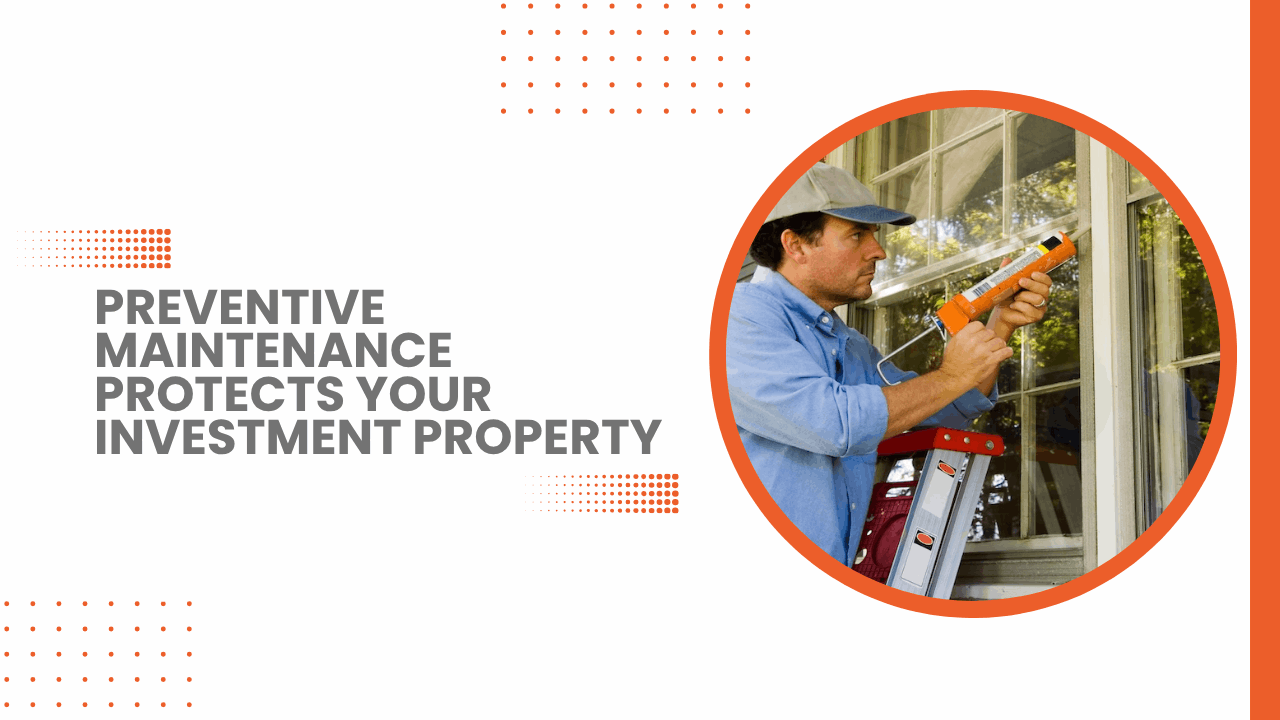
What’s the best way to reduce repair costs and protect your Atlanta investment property?
Preventative maintenance.
We’re talking about a lot more than routine fixes. This is an intentional approach to protecting the physical condition of the property, reducing financial surprises, minimizing tenant disruption, preserving property value, and managing operational risk more effectively.
Our Summary:
|
Emergency Maintenance Is Usually More Expensive
One of the biggest reasons preventive maintenance matters is cost control.
Emergency repairs are almost always more expensive than planned maintenance. When something at your property fails unexpectedly, you have to deal with after-hours maintenance charges, water damage remediation, and a lot of tenant frustration.
For example, a small plumbing leak caught during a routine inspection may require only a simple repair. However, if that leak goes unnoticed for weeks or months, it can eventually cause drywall damage, flooring replacement, mold concerns, or cabinet deterioration.
Preventive maintenance helps owners avoid the premium costs associated with reactive repairs.
Small Problems Become Bigger Problems Quickly
Rental properties experience constant wear and tear. Systems age, materials deteriorate, and environmental conditions create ongoing stress on the home.
The challenge is that many maintenance issues develop gradually. Are you noticing?
Minor warning signs often appear long before major failures occur, including:
Slow plumbing leaks
Roof wear
HVAC inefficiencies
Drainage issues
Appliance performance decline
Exterior wood rot
Loose fixtures
Foundation cracks
Water intrusion
Gutter blockages
Without regular inspections and maintenance oversight, these issues can remain hidden until they become expensive emergencies.
Preventive maintenance focuses on identifying risks early while repairs are still manageable and affordable.
Atlanta’s Climate Creates Unique Maintenance Demands
Atlanta’s climate presents specific challenges for rental property owners.
Hot summers, humidity, seasonal storms, heavy rain, and fluctuating temperatures all place stress on residential systems and structures.
These conditions can accelerate HVAC wear, moisture intrusion, and mold risk. There could be a faster path to deterioration for your roof, and drainage problems. Because of these environmental factors, Atlanta rental homes often benefit significantly from scheduled seasonal maintenance.
How Does Preventive HVAC Maintenance Save Money?
HVAC systems are one of the most expensive components in a rental property.
In Atlanta, where summer temperatures and humidity levels can become extreme, air-conditioning performance is especially important for tenant comfort and habitability.
Routine HVAC servicing helps:
Improve energy efficiency
Extend equipment lifespan
Reduce emergency breakdowns
Identify worn components early
Improve airflow
Reduce tenant complaints
Preventive servicing may include filter changes, thermostat calibration, and coil cleaning. Your HVAC tech could clean the drain line and check the refrigerant. A relatively inexpensive seasonal service visit can often prevent major mid-summer failures that create expensive emergency situations.
Roof and Water Intrusion Inspections Matter
Water damage is one of the most destructive and costly risks for rental properties.
Here is what we have found with even minor roof issues:
Ceiling damage
Drywall replacement
Mold growth
Insulation damage
Flooring deterioration
Structural concerns
This is why we like to schedule roof inspections to identify missing shingles and flashing damage. We want to know about draining issues and gutter problems. Atlanta’s seasonal storms make these inspections particularly important.
Can Vendor Relationships Improve Maintenance Outcomes?
Yes, and this is importantly. Strong vendor relationships are a major advantage of preventive maintenance planning.
Owners who consistently work with reliable contractors often benefit from:
Faster response times
Better scheduling availability
More consistent pricing
Improved accountability
Higher work quality
Greater familiarity with the property
Emergency situations can become much more stressful when owners are forced to search for contractors in the moment that there’s an emergency.
Established vendor relationships create operational stability. You’re protecting your property by working with someone who knows and understands the rental home.
Trusted vendors who already understand the property’s systems and history can often diagnose issues more efficiently and recommend practical long-term solutions.
Inspections Help Owners Stay Ahead of Problems
Routine property inspections are one of the most effective preventive maintenance tools available. Inspections provide opportunities to identify maintenance concerns before they escalate into larger issues.
We like to conduct exterior inspections that focus on roofs, gutters, drainage, siding, landscaping, exterior paint, walkways, and fencing. Inside the home, we’re inspecting for plumbing leaks, appliance wear, moisture issues, and safety hazards.
Have the tenants reported concerns? Have a look right away.
Preventive Maintenance Protects Property Value
Rental properties are long-term assets. Deferred maintenance can gradually reduce property quality and create compounding repair needs.
For example:
Unmaintained landscaping can affect curb appeal
Ignored moisture issues can damage structural components
Poor HVAC performance can increase system replacement costs
Neglected exterior maintenance can accelerate deterioration
Properties that receive consistent preventive care often remain more competitive in the rental market and may require fewer major renovations later.
Tenant Satisfaction Improves With Better Maintenance
Preventive maintenance does not only benefit owners. It also improves the tenant experience.
Residents are more likely to remain satisfied when:
Repairs are handled quickly
Systems function properly
Emergencies are minimized
The property feels well maintained
Communication remains proactive
Unexpected maintenance failures can create major inconvenience for tenants, particularly when air conditioning, plumbing, or appliances stop functioning suddenly. Frequent emergencies may also reduce tenant confidence in management quality.
Preventive Maintenance Supports Risk Management
Rental property ownership involves risk management as much as income generation. Preventive maintenance helps reduce several categories of risk, including:
Financial Risk. Proactive repairs reduce the likelihood of large, unexpected expenses.
Liability Risk. Addressing safety hazards early helps reduce potential liability exposure.
Vacancy Risk. Well-maintained properties tend to attract and retain tenants more effectively.
Insurance Risk. Some insurance claims may involve maintenance-related issues that could have been prevented through proper upkeep.
Operational Risk. Emergency repairs create scheduling disruptions and management stress.
Preventive maintenance creates more predictable property operations overall.
Maintenance Planning Improves Budgeting
One advantage of preventive maintenance is financial predictability. Emergency repairs often force owners into reactive spending decisions under pressure.
Planned maintenance allows owners to:
Schedule repairs strategically
Compare vendor pricing
Build reserve budgets
Prioritize upgrades
Avoid unnecessary urgency
Owners who maintain reserve accounts and follow maintenance schedules are often better prepared for long-term capital expenses such as roof replacements and flooring updates. You’ll see the HVAC replacement coming, and you won’t wait for your water heater to burst and flood before you replace it.
Can Technology Make Preventive Maintenance Easier?
It can, and it does. Modern technology has made preventive maintenance more manageable.
As property managers in Atlanta, we’re now using tools such as:
Digital inspection reports
Maintenance tracking software
Automated maintenance reminders
Smart leak detectors
Smart thermostats
Vendor management platforms
Online work order systems
These tools help streamline communication and improve visibility into property conditions. Technology does not eliminate maintenance needs, but it can significantly improve maintenance organization and response efficiency.
Preventive Maintenance Is a Long-Term Investment Strategy
Some owners hesitate to invest in preventive maintenance because it can feel like an unnecessary short-term expense. However, experienced investors often view maintenance proactively because they understand the long-term financial benefits.
Preventive maintenance supports:
Lower emergency repair costs
Longer system lifespan
Better tenant retention
Reduced vacancy
Stronger property condition
Improved operational efficiency
Better financial predictability
We can tell you that in our experience, the money spent preventing problems is far less than the cost of repairing major failures and emergency calls later.
Frequently Asked Questions
Q: What is preventive maintenance for rental properties?
A: Preventive maintenance involves routine inspections, servicing, and repairs designed to identify and address issues before they become major problems or emergencies.
Q: Why is emergency maintenance more expensive?
A: Emergency repairs often involve after-hours labor charges, expedited service fees, additional property damage, and limited contractor availability.
Q: How often should rental properties be inspected?
A: Many owners conduct inspections annually or semi-annually, along with seasonal evaluations and move-in or move-out inspections.
Q: What systems should receive regular maintenance?
A: HVAC systems, roofs, plumbing, gutters, appliances, exterior surfaces, and drainage systems are among the most important areas for routine maintenance.
Q: Why are vendor relationships important?
A: Reliable vendor relationships often improve response times, pricing consistency, work quality, and overall maintenance coordination.
Preventive maintenance is one of the most effective ways Atlanta rental property owners can protect their investments. While emergency repairs may seem unavoidable, many major maintenance issues begin as smaller concerns that could have been identified earlier through inspections, routine servicing, and proactive oversight.
Preventive maintenance helps owners reduce costly emergencies, protect property value, improve tenant satisfaction, strengthen vendor relationships, and manage operational risk more effectively.

The most successful rental property owners do not simply react to maintenance problems. They create systems designed to prevent those problems whenever possible.
Work with us to access our systems, vendor relationships, and professional property management operations in Atlanta. Please contact us at Property Services of Atlanta for help with maintaining your investment and protecting its value.